
Hospital operating rooms need controlled airflow, filtration, pressure and maintenance to reduce airborne contamination risk around surgical procedures. The design is not identical to an industrial cleanroom, but many cleanroom principles still apply: clean air delivery, stable pressure relationships, cleanable surfaces and documented maintenance.
For hospital buyers and project teams, the key is to match the room type, clinical use and local healthcare requirements. General operating rooms, specialized procedure rooms and high-risk surgical suites may require different airflow patterns, filtration strategies and monitoring expectations.
Operating Room Filtration Purpose
Filtration helps reduce airborne particles and microorganisms that may enter the surgical environment. HEPA filtration may be used in supply air systems for higher-control rooms, especially where infection-control expectations are strict. The filter system should be selected together with air volume and terminal air distribution.
Filter performance must be maintained after installation. A good design includes access for inspection, replacement and testing without disrupting hospital operation more than necessary. Maintenance records are important because a clean operating room depends on continuing performance, not only initial construction quality.
Airflow Pattern and Pressure
Operating rooms often use controlled supply airflow to protect the surgical zone and reduce contamination from surrounding areas. The airflow pattern should avoid dead zones, drafts and return paths that pull contamination across the patient area.
Pressure relationships should be defined by room function. Many operating rooms use positive pressure to protect the surgical environment, while some special rooms may require different strategies. Door opening frequency, staff movement and adjacent spaces should be considered because they affect real operating stability.
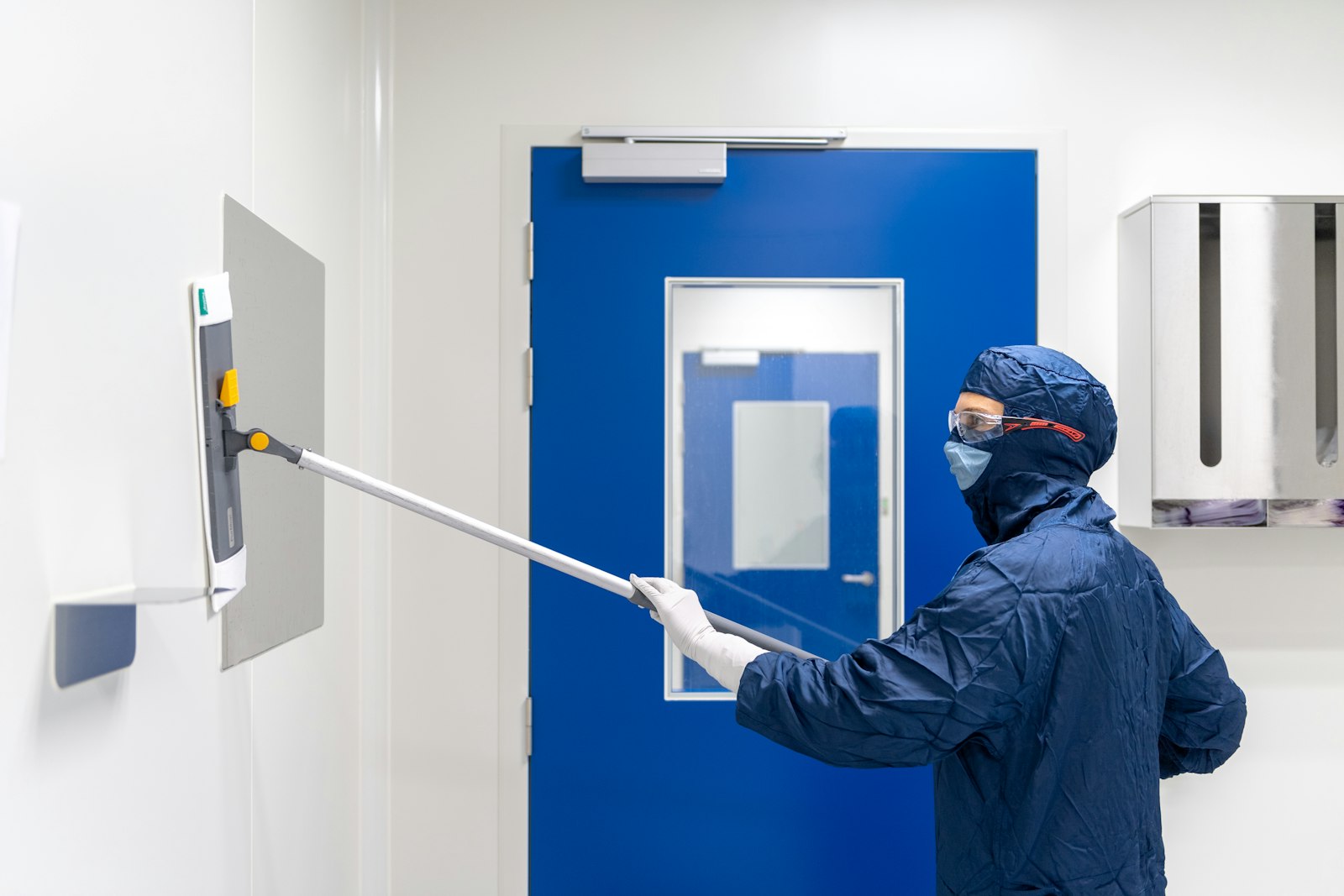
HEPA Terminal Filtration
HEPA terminal filters can provide high-efficiency filtration close to the operating room supply point. Their effectiveness depends on proper sealing, installation, airflow balance and maintenance access. A factory filter certificate does not replace installed performance checks.
The ceiling system should coordinate filters, lights, medical gas pendants and other equipment. Crowded ceilings can disturb airflow or make maintenance difficult. During design review, the project team should verify how filters will be accessed, tested and replaced.
AHU and Humidity Control
The AHU supports temperature, humidity, fresh air and pressure control. In hospitals, comfort, infection control and equipment requirements all influence environmental conditions. The system must respond to door opening, staff load and procedure schedules without large swings.
Humidity control is important because very dry or very humid conditions can create comfort, static or microbial concerns. The design should consider local climate, coil performance, filtration stages and control strategy. Poor humidity control may cause complaints even if particle performance is acceptable.
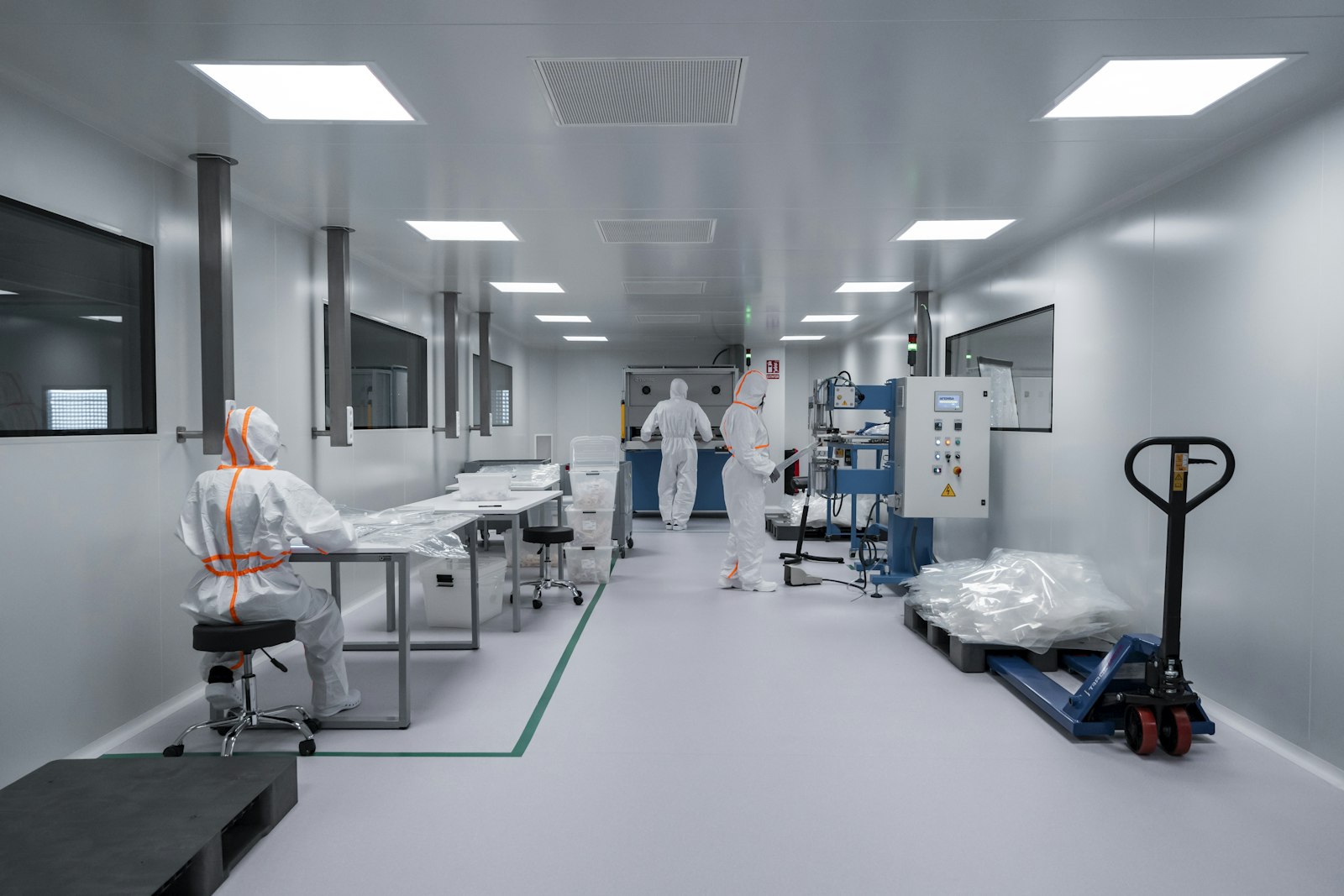
Maintenance and Recertification
Operating room performance should be checked periodically and after major maintenance. Filters, pressure relationships, airflow volume and alarms should be reviewed as part of a maintenance program.
- Inspect filters and pressure readings regularly.
- Record maintenance and replacement activity.
- Verify airflow after HVAC changes.
- Coordinate testing with clinical schedules.
Hurricane Techs Recommendation
Review operating room filtration with HVAC, ceiling layout and maintenance teams together. The system should be practical to service and stable during normal hospital operation.
Hurricane Techs supports air handling units, HEPA filters and maintenance and recertification for healthcare clean-air environments.
FAQ
Do operating rooms use HEPA filters?
Many controlled operating rooms use high-efficiency filtration, and some projects specify HEPA terminal filtration.
How often should OR filters be checked?
Frequency depends on hospital policy, local requirements and system condition.
What pressure should an operating room maintain?
The target depends on room type and healthcare requirements. Positive pressure is common for many operating rooms.


