
HEPA and ULPA filters are both high-efficiency air filters used in cleanrooms, but they are not interchangeable in every project. The right choice depends on required particle control, airflow resistance, energy cost, maintenance plan and validation expectations. A filter decision should be made together with the room class and HVAC strategy.
For many ISO 7 cleanrooms and ISO 8 cleanrooms, HEPA filtration is sufficient when the room has stable airflow, pressure control and good operating discipline. ULPA filters may be considered for more demanding applications such as semiconductor, nanotechnology or highly sensitive research environments where very fine particle control is critical.
Efficiency Difference
HEPA filters are commonly used for high-efficiency filtration in cleanrooms. They provide strong particle removal for pharmaceutical support rooms, medical device production, laboratories and many precision manufacturing spaces. In these projects, HEPA performance is usually evaluated together with airflow rate, room recovery and installed filter integrity testing.
ULPA filters have higher efficiency for smaller particles, but that does not automatically make them the better choice. Higher efficiency is useful only when the process risk requires it and the air system can support it. If the main contamination risk comes from personnel movement, poor zoning or unstable pressure, switching to ULPA alone will not solve the root problem.
Airflow and Pressure Drop
Filter resistance affects fan selection, energy use and airflow stability. A filter with higher pressure drop requires the fan system to work harder, which can increase noise, heat load and operating cost. The room may also become harder to balance if the fan does not have enough reserve capacity for the selected filter grade.
ULPA filters can require more careful system design because the higher resistance can reduce delivered air volume if the system is not sized correctly. Buyers should compare rated airflow, initial resistance and final resistance, not only efficiency. A quotation that lists efficiency without airflow and resistance data is incomplete for cleanroom planning.
Application Fit
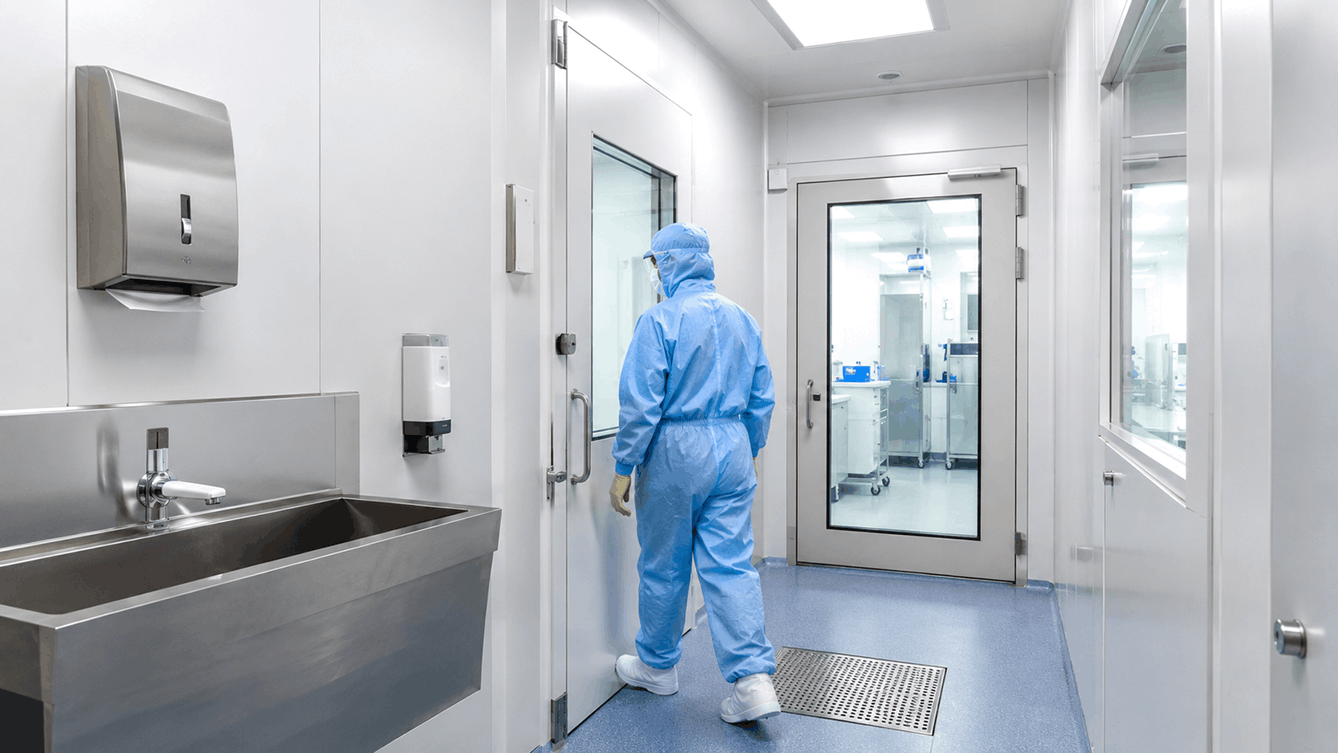
HEPA filters are widely used in pharmaceutical, medical device, food, laboratory and general electronics cleanrooms. They are suitable when the target ISO class and process sensitivity can be achieved through proper air changes, terminal filtration, pressure control and cleaning procedures.
ULPA filters are more common where very fine particle control is required, such as semiconductor fabrication, optics, nanotechnology or specialized research. The process requirement should drive the selection. Choosing ULPA because it sounds safer can lead to higher cost without measurable benefit if the rest of the system is not designed for that level of control.
Cost and Maintenance
ULPA filters are typically more expensive and may need stricter handling. The higher resistance can also affect lifecycle cost through fan energy and replacement planning. For a real comparison, buyers should include filter price, housing cost, fan capacity, commissioning time and spare part availability.
Replacement cost, availability and lead time should be reviewed during project planning, especially for overseas sites that need spare filters. Damaged high-efficiency filters can delay validation, so packing, transport protection and on-site storage conditions matter as much as the filter specification.
Selection Checklist
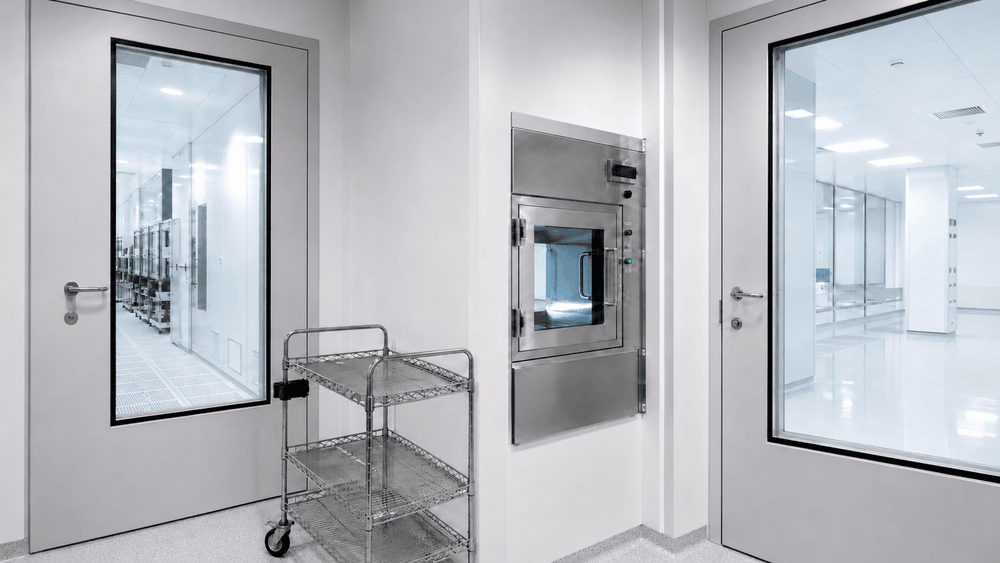
The best filter choice starts with the room class and process risk, then checks whether the HVAC or FFU system can support the required airflow with acceptable resistance. The filter should be selected as part of the air system, not as an isolated component.
- Confirm target ISO class and process sensitivity.
- Compare efficiency, rated airflow and pressure drop.
- Check fan capacity, noise and energy impact.
- Plan integrity testing, replacement access and spare filters.
Filter Selection Takeaway
Choose HEPA or ULPA together with cleanroom class, airflow strategy and validation plan. A practical recommendation should explain why the selected grade is enough for the process and how the installed system will be tested after construction.
Hurricane Techs supplies HEPA and ULPA filters, FFUs and cleanroom design support for buyers comparing filter efficiency, pressure drop and long-term operating cost.
FAQ
Is ULPA always better than HEPA?
No. ULPA has higher efficiency, but it may add resistance and cost that are not needed for every cleanroom.
Can HEPA filters meet ISO 7?
Yes. HEPA filters are commonly used in ISO 7 cleanrooms when airflow, pressure and operation are designed correctly.
What should buyers compare besides efficiency?
Compare airflow, pressure drop, filter size, seal type, test report, spare availability and validation requirements.


