
IQ, OQ and PQ documents help buyers prove that a cleanroom was installed, operated and verified according to agreed requirements. They are especially important for pharmaceutical, medical device and other regulated projects where a physical room is not enough. The validation package must connect the URS, design, installation, commissioning and final test results.
For procurement teams, the key is to define document responsibility before signing the contract. Otherwise the cleanroom may be built correctly but still delay production because the handover package is incomplete. A good validation file should be specific enough that an auditor, maintenance team or future project engineer can understand what was installed and how it was accepted.
What IQ Should Verify
Installation Qualification checks whether the room and equipment were installed according to approved drawings and specifications. It may include panels, doors, windows, HEPA housings, AHU or FFU equipment, electrical connections, instruments and material certificates. Each critical component should be traceable enough that future maintenance teams can identify it without guessing.
IQ should also record deviations from the approved design. If a filter size, gasket type, sensor location or panel material changed during construction, that change should be documented and accepted. This prevents the validation file from becoming disconnected from the actual room and reduces confusion during audits or spare part ordering.
What OQ Should Test
Operational Qualification verifies that systems operate within expected ranges. Common OQ checks include airflow volume, pressure differential, temperature and humidity, alarm operation, interlocks and HEPA filter integrity testing where required. The method should define instruments, calibration status, acceptance criteria and test locations clearly.
OQ is where many design assumptions become visible. If door interlocks are slow, pressure recovery is weak or airflow balance cannot meet the target, the issue should be corrected before PQ. Buyers should avoid treating OQ as paperwork only; it is the stage that proves the room can be controlled before production use.
What PQ Proves
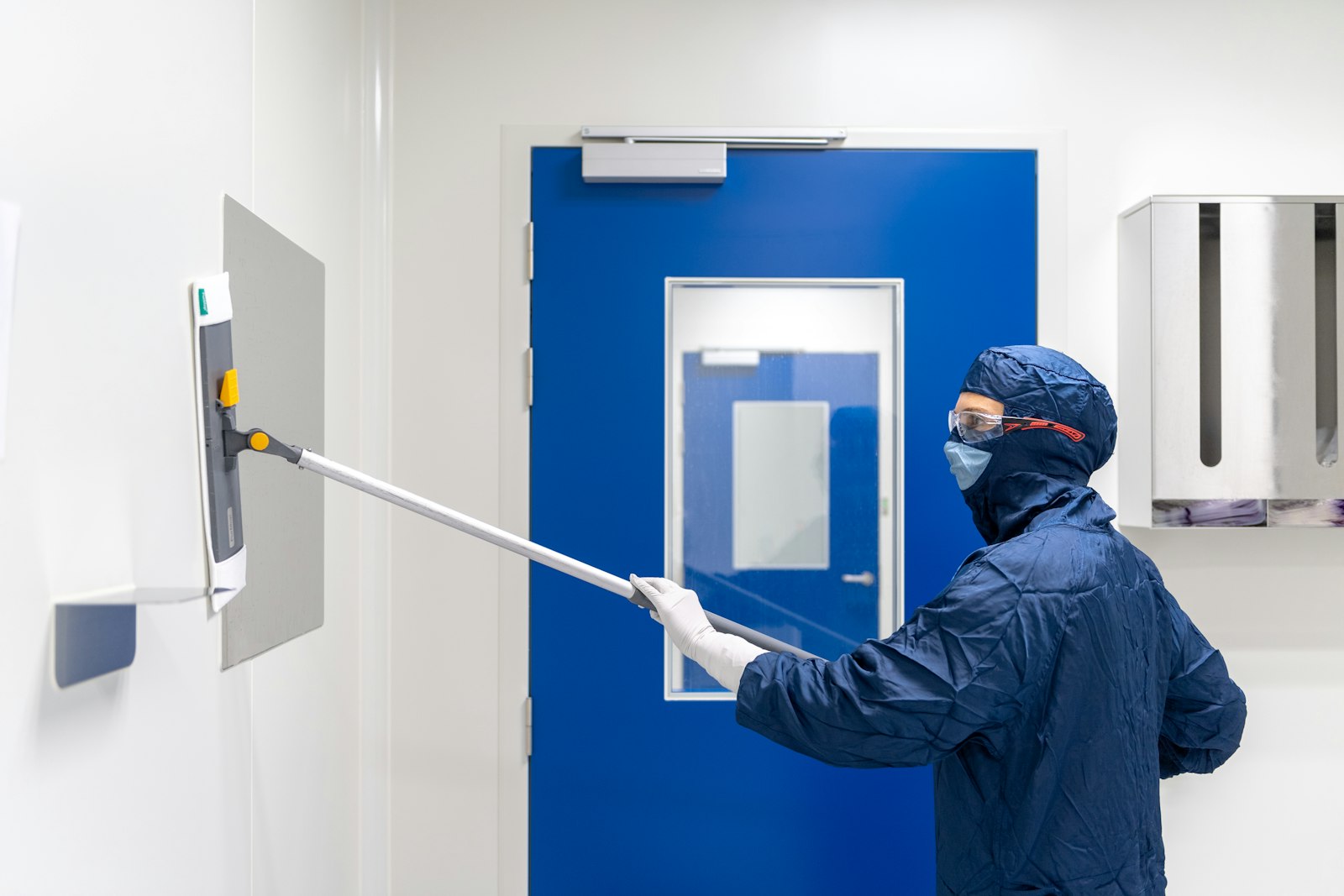
Performance Qualification demonstrates that the cleanroom can support the actual process under intended conditions. PQ may include operational particle testing, cleaning verification, recovery observation and review of routine monitoring records. The scope should reflect the risk of the product and the way the room will actually be used.
The most useful PQ protocol includes realistic operating assumptions: personnel entry, equipment operation, material movement, cleaning condition and process activity. A clean empty room is easier to pass than a working room. If operational performance is required, the protocol should describe the activity level so future retesting can be compared meaningfully.
Documents to Request Before Acceptance
Buyers should request the URS, approved drawings, material records, installation checklists, calibration certificates, commissioning reports, test methods, raw data and final validation summary. The document list should be tied to the acceptance criteria in the contract so both sides understand what "complete" means.
It is also useful to request sample templates before order confirmation. Templates show whether the supplier understands the required level of detail. A one-page summary may be acceptable for a simple industrial room, but regulated cleanrooms usually need controlled forms, signatures, deviation handling and traceable raw data.

Common Document Gaps
Document gaps often appear late because the team focuses on construction progress first. The best prevention is to review the validation deliverables during design review and again before installation starts.
- As-built drawings do not match installed equipment.
- Calibration certificates are missing for test instruments.
- Particle count reports do not identify room state or sample locations.
- Responsibilities between contractor and buyer are unclear.
Hurricane Techs Recommendation
Agree on validation scope during design review, not after installation. The IQ/OQ/PQ plan should connect the cleanroom layout, HVAC design, materials, equipment list and testing standards into one practical handover package.
Hurricane Techs supports validation and performance testing, installation and commissioning and cleanroom document planning for overseas buyers who need cleanroom acceptance evidence that is useful after the project is handed over.
FAQ
Is IQ OQ PQ required for every cleanroom?
Not every project uses the same terminology, but regulated projects usually require documented installation, operation and performance evidence.
Who prepares cleanroom validation documents?
Responsibility depends on the contract. The contractor, validation team and owner often share different parts of the package.
What tests are included in OQ?
OQ often covers airflow, pressure, temperature, humidity, alarms, interlocks and HEPA integrity testing where applicable.


